Swimming with Whale Sharks in Maldives: A 2026 Guide
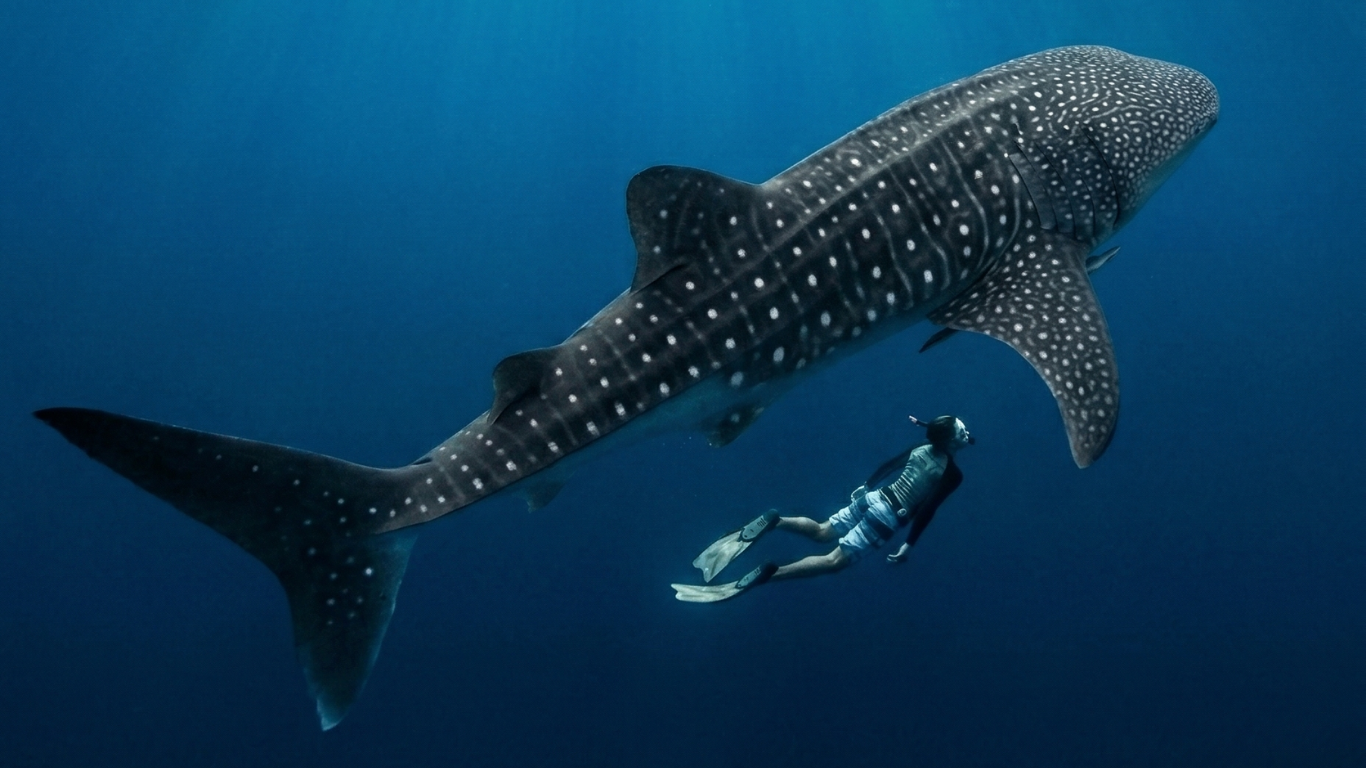
Swimming with Whale Sharks in Maldives is the world’s ultimate marine adventure. The whale shark is the world’s largest fish and acts as a slow-moving, gentle filter-feeder. You can find them in tropical oceans, where they display distinctive spotted patterns and huge mouths for scooping plankton. Despite their massive size, these “gentle giants” remain docile. They feed on tiny organisms and remain popular with divers, even though their populations face modern threats.
Key Physical Characteristics of the Whale Shark
Size: They typically grow to 12 meters (39 feet) in length. However, confirmed specimens have reached up to 18.8 meters (61.7 feet).
Weight: An adult weighs an average of 15 tons, but some records exceed 20 tons.
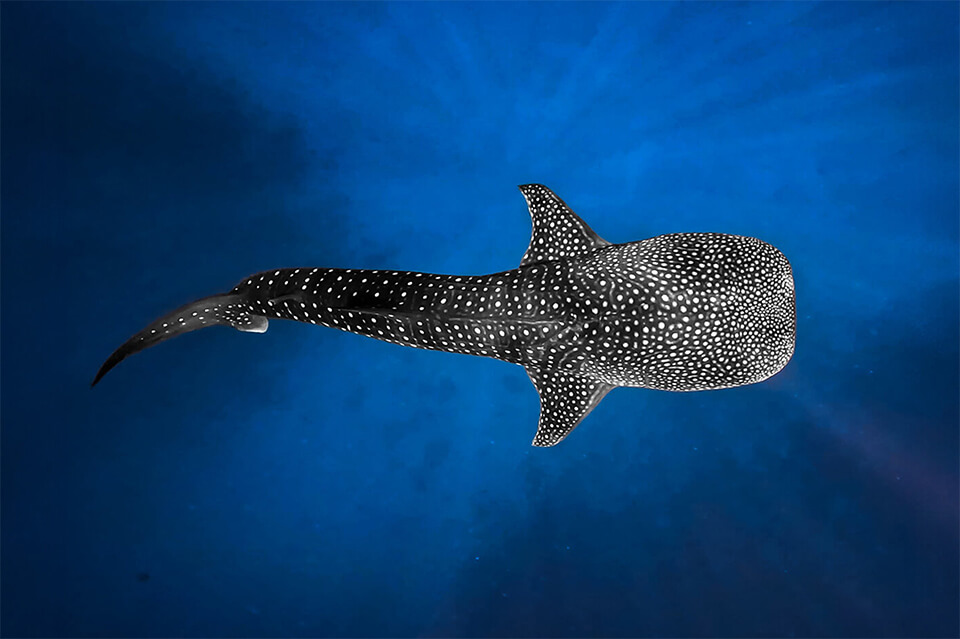
Appearance: You can easily recognize them by their broad, flattened heads. They also sport a unique “checkerboard” pattern of white spots on dark skin.
Skin and Eyes: Their skin serves as armor and can reach 15 cm (6 inches) in thickness. Additionally, tiny teeth-like structures called “dermal denticles” cover their eyeballs for protection.
Diet and Feeding Habits
Whale sharks are one of only three shark species that filter feed. Therefore, they primarily eat plankton, krill, fish eggs, and small schooling fish. To eat, they suck in large volumes of water and strain food through specialized filtering pads. In fact, a single shark can process over 6,000 liters of water every hour.
Habitat and Behavior
Distribution: They live in all tropical and warm temperate seas worldwide, excluding the Mediterranean.
Migration: They are highly migratory. Consequently, they travel thousands of miles to follow seasonal food blooms like coral spawning.
Diving: While they often swim near the surface, they can dive to depths of nearly 1,900 meters.
Lifespan: These sharks are long-lived. Estimates suggest they can live between 80 and 130 years.
Conservation Status and Protection
The IUCN Red List currently classifies the whale shark as Endangered. Major threats include vessel strikes, fishing net bycatch, and illegal hunting. However, many countries now enforce fishing bans. These nations have created protected areas to promote sustainable eco-tourism.
Interesting Facts
Gentle Giants: They pose no threat to humans because their throats are too small to swallow large objects.
Unique Patterns: Researchers use their spots for identification, much like human fingerprints.
- Thick Skin: Their skin can be up to four inches thick, offering protection, and they can even heal from significant injuries like propeller strikes.
Reproduction Mystery: Scientists have yet to witness them mating in the wild. We know females give birth to live young, but much of the process remains a mystery.
Core Reproductive Facts
Reproductive Strategy: Whale sharks are ovoviviparous. This means eggs hatch inside the mother before she gives birth to live pups.
Litter Size: They hold the record for the largest shark litter. For instance, a female found in 1995 carried 304 embryos.
Maturity: They are late bloomers and reach sexual maturity around 25 to 30 years of age.
Best Locations for Swimming with Whale Sharks in Maldives
Swimming with Whale Sharks in Maldives is a signature experience available year-round. As of January 2026, the Maldives has implemented stricter conservation regulations. Furthermore, all vessels must use mandatory propeller guards by February 1, 2026.
- Hanifaru Bay, Baa Atoll (Seasonal):A UNESCO Biosphere Reserve famous for mass feeding aggregations. You can swim with whale sharks and hundreds of manta rays here from May to November, with peak activity between July and October.
How to Experience the Whale Sharks
- Local Island Stays: Islands like Dhigurah and Maafushi offer affordable daily excursions led by expert local guides.
- Resort Excursions: Luxury resorts such as LUX* South Ari Atoll and The Nautilus provide private, guided tours with marine biologists.
- Liveaboards: Dedicated diving cruises, such as those by Spirit Liveaboards, offer multi-day itineraries focused on finding these gentle giants across different atolls.
The primary area for whale shark encounters in the Maldives is the South Ari Atoll, designated as a Marine Protected Area due to its year-round whale shark population. Most sightings occur within the South Ari Marine Protected Area (SAMPA), particularly near Dhigurah and Maamigili islands.
South Ari Atoll (SAMPA)
This atoll is globally unique for offering consistent, year-round sightings of whale sharks, primarily juvenile males. The protected status ensures conservation efforts are in place, making it the most reliable destination for an encounter.
- Key Locations: The area around the islands of Maamigili (known as ‘Whale Shark Island’) and Dhigurah is the main hotspot, with many guesthouses and resorts offering daily excursions.
- Peak Season: While sightings occur all year, the highest probability is during the southwest monsoon (May to November), with a peak from August to November, when plankton blooms are most significant on the eastern side of the atoll.
- Logistics: The area is easily accessible via a domestic flight to Maamigili Airport (or a seaplane/speedboat from Malé).
- Conservation: The Maldives Whale Shark Research Programme (MWSRP), a leading research charity, is based on Dhigurah Island, and visitors can even volunteer to join their research expeditions.
Baa Atoll (Hanifaru Bay)
A UNESCO Biosphere Reserve, Hanifaru Bay is most famous for massive aggregations of manta rays, but whale sharks are also attracted by the dense plankton blooms during the peak season.
- Key Locations: The bay is easily accessible from local islands like Dharavandhoo and resorts in the vicinity.
- Peak Season: The best time for sightings here is between May and October (during the southwest monsoon), when hundreds of mantas, and sometimes whale sharks, gather to feed in the funnel-like reef.
- Restrictions: Hanifaru Bay is a snorkeling-only zone; scuba diving is not permitted to protect the delicate feeding ecosystem.
Seasonal Timing (2026)
While sightings are possible at any time, peak conditions depend on atoll location:
- January – April: Calmest seas and best visibility (up to 40m) in South Ari Atoll
- May – October: Higher plankton levels attract more sharks to the surface in both South Ari and Baa Atoll, though underwater visibility may decrease.
- November – December: A transition period offering a balance of good visibility and high encounter rates.
Experiences :
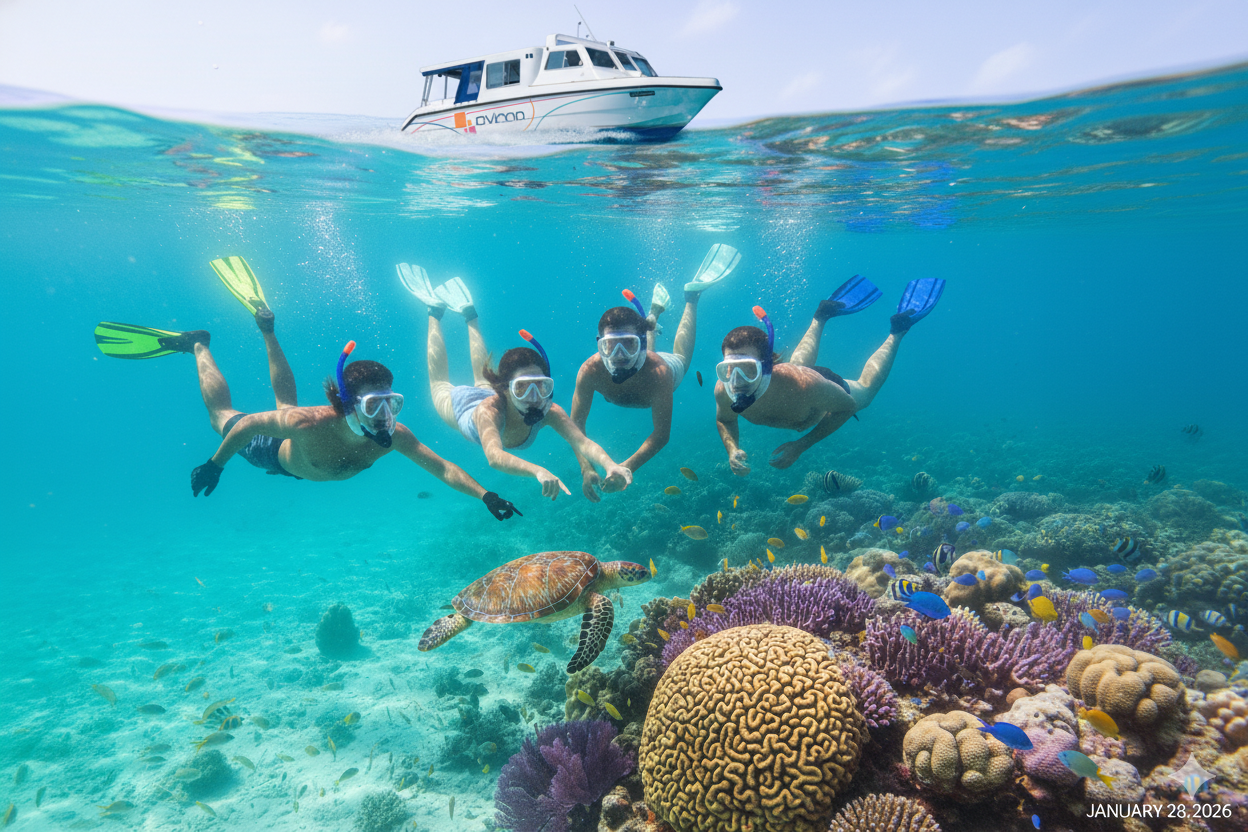
- Snorkeling & Diving: Guided tours from various islands provide opportunities to swim alongside these massive filter feeders.
- Citizen Science: The Maldives Whale Shark Research Programme (MWSRP), a charity, offers opportunities to volunteer and contribute data.
Conservation & Regulations:
- South Ari Atoll is a protected area with rules to safeguard whale sharks, making it ideal for responsible tourism.
- They are endangered, so following guidelines from organizations like MWSRP is crucial for their survival.
Essential Guidelines for a Safe Encounter
Strict rules are enforced to ensure the well-being of the sharks and the safety of swimmers:
- Maintain Distance: Keep at least 3 meters from the shark’s body and 4 meters from its tail.
- No Physical Contact: Touching, riding, or chasing the shark is strictly prohibited.
- Entry Protocols: Enter the water quietly to avoid stressing the animal; do not swim directly in front of its path.
- Photography: Use of flash photography, selfie sticks, and bright lights is banned.
- Time Limits: In crowded areas, your time in the water may be limited to 15 minutes to allow other groups a turn.
Countries with National Protection
Many countries have implemented national laws to protect whale sharks, often turning fishing areas into marine sanctuaries or banning the fishing and trade of the species entirely. These include:
- Australia (Ningaloo Reef is a major protected area)
- Belize (established a marine sanctuary in 2000)
- Honduras (banned shark fishing in 2010)
- India (banned all fishing, selling, import/export in 2001)
- Indonesia (declared fully protected in 2013)
- Maldives (banned all shark fishing since 2010; the species is protected under the Environmental Protection and Preservation Act, and the South Ari Atoll Marine Protected Area is a key habitat)
- Mexico (implements protection measures and promotes eco-tourism)
- Philippines (prohibited fishing for whale sharks in 1998, followed by a ban on all fishing/trade)
- South Africa
- Taiwan (implemented a fishing ban in 2007)
- Thailand
- United States
These national and international measures aim to protect the migratory species from threats like targeted fishing, bycatch, and vessel strikes, while also promoting sustainable whale shark ecotourism, which provides significant economic benefits to local communities.
Book Your Private Whale Shark Watching Trip
Ready to swim alongside the gentle giant of the ocean? Arriva provides the boat, the professional crew, and the expert guide needed for a world-class experience.
24/7 Availability: We operate on your schedule, not a ferry timetable.
Full Insurance: We cover all travelers on our fleet with comprehensive insurance.
Contact Us: WhatsApp +960 7431919 or email [email protected] for private 2026 rates.